
Kebda Mchermla
Eid al-Adha, also known as the Festival of Sacrifice or the Greater Eid, is one of the two most important celebrations in Islam.
It is observed each year on the 10th day of Dhul Hijjah, the final month of the Islamic calendar, marking the completion of the Hajj pilgrimage to Makkah. Muslims around the world celebrate this sacred occasion, whether or not they have performed the pilgrimage.
Eid al-Adha commemorates the unwavering faith and obedience of the Prophet Ibrahim (Abraham), who was willing to sacrifice his son in submission to God’s command. In remembrance of this profound act of devotion, Muslim families perform the ritual sacrifice of a sheep or other permitted livestock, sharing the meat with relatives, neighbors, and those in need. This tradition reflects the Islamic values of charity, compassion, and generosity.
Throughout the days of Eid, families gather to celebrate with joyful meals and time-honored recipes that have been passed down through generations. In Algeria, festive tables are filled with iconic dishes such as grilled lamb skewers, Bouzelouf (sheep’s head), and, above all, Kebda Mchermla.
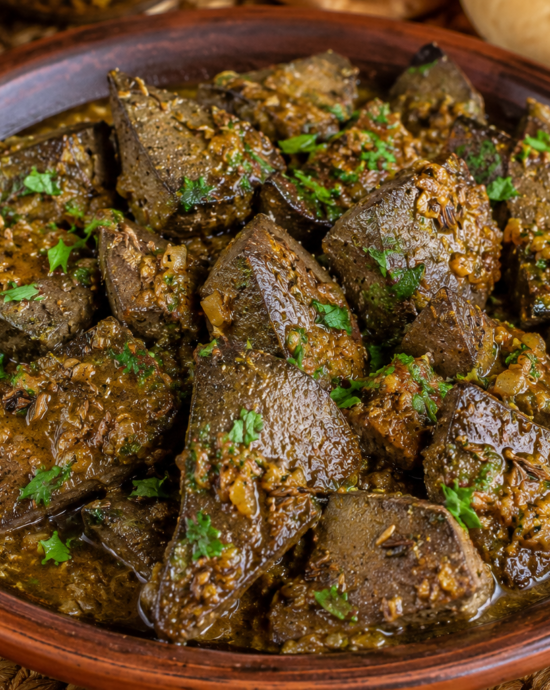
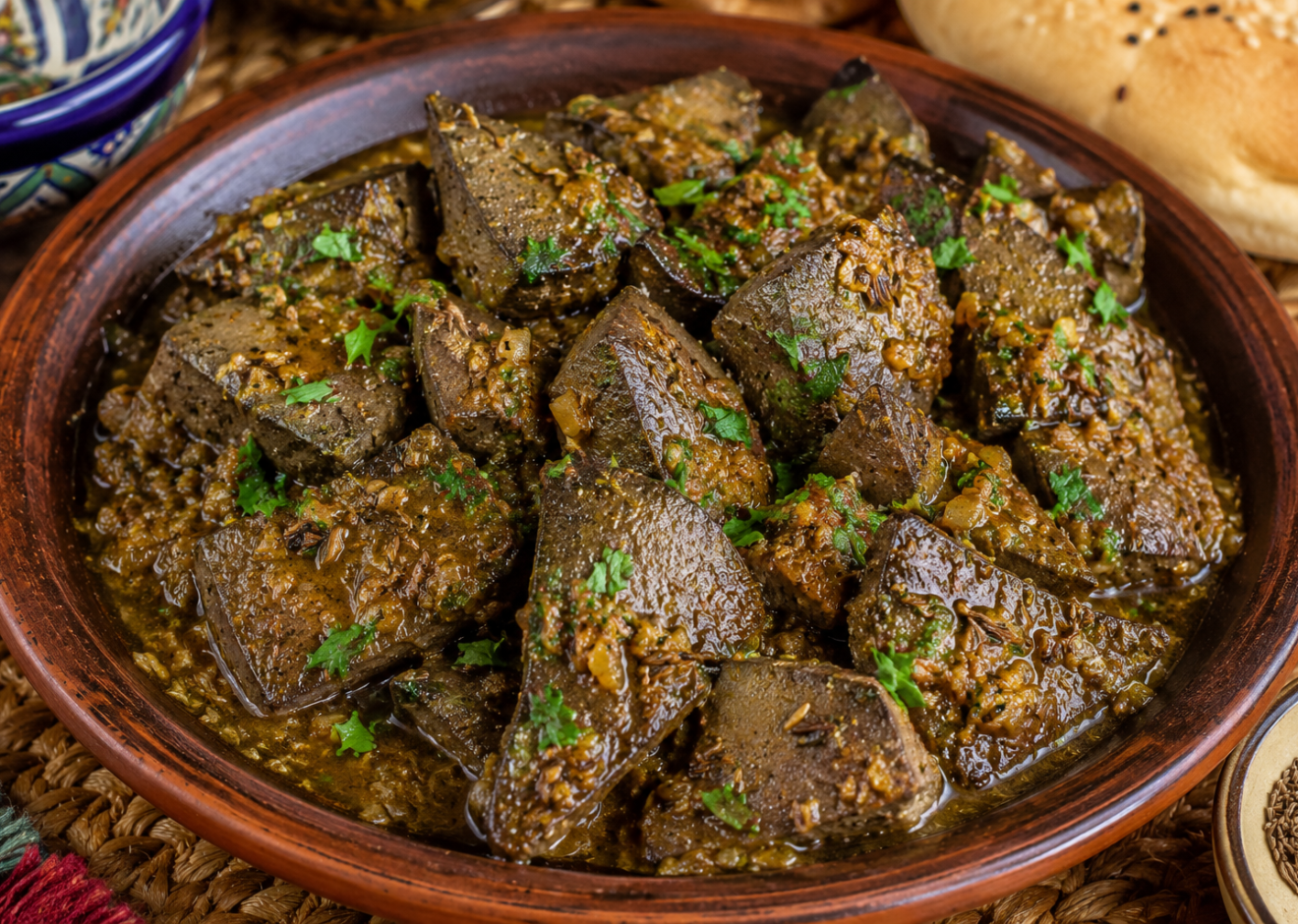
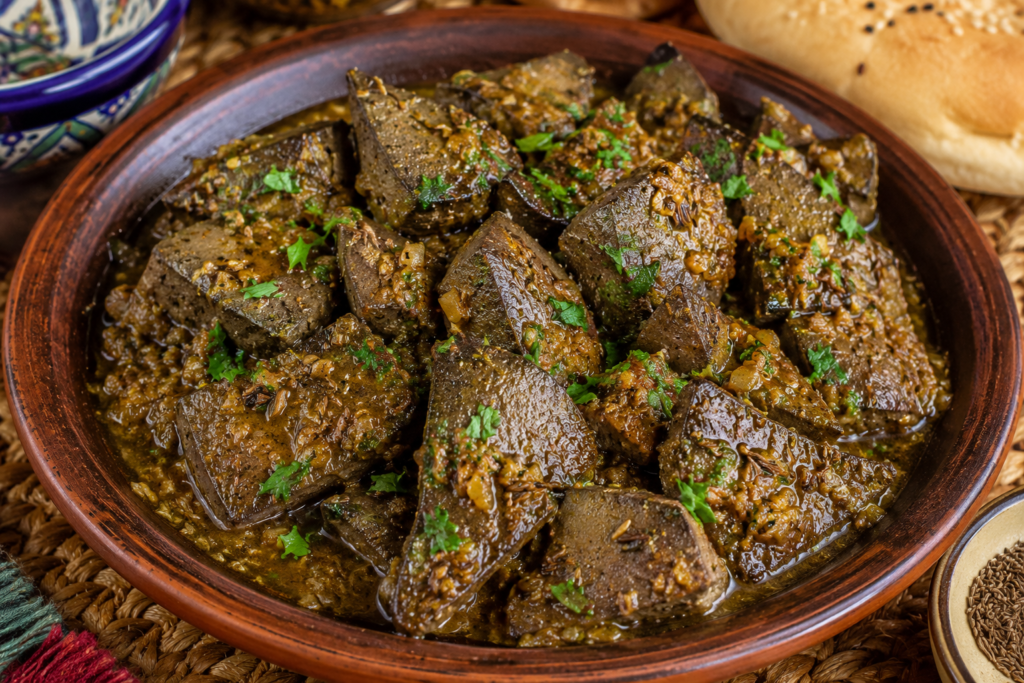
Prepared from tender lamb liver marinated with fragrant spices, garlic, and aromatic caraway, then simmered in a rich, flavorful sauce, Kebda Mchermla is traditionally the first dish served on the morning of Eid. Its irresistible aroma fills the home as loved ones come together to share a meal that celebrates family, heritage, and the spirit of togetherness.
More than just a recipe, Kebda Mchermla is a symbol of Algerian hospitality and tradition—a cherished dish that transforms the first hours of Eid into unforgettable moments of warmth, gratitude, and shared happiness.
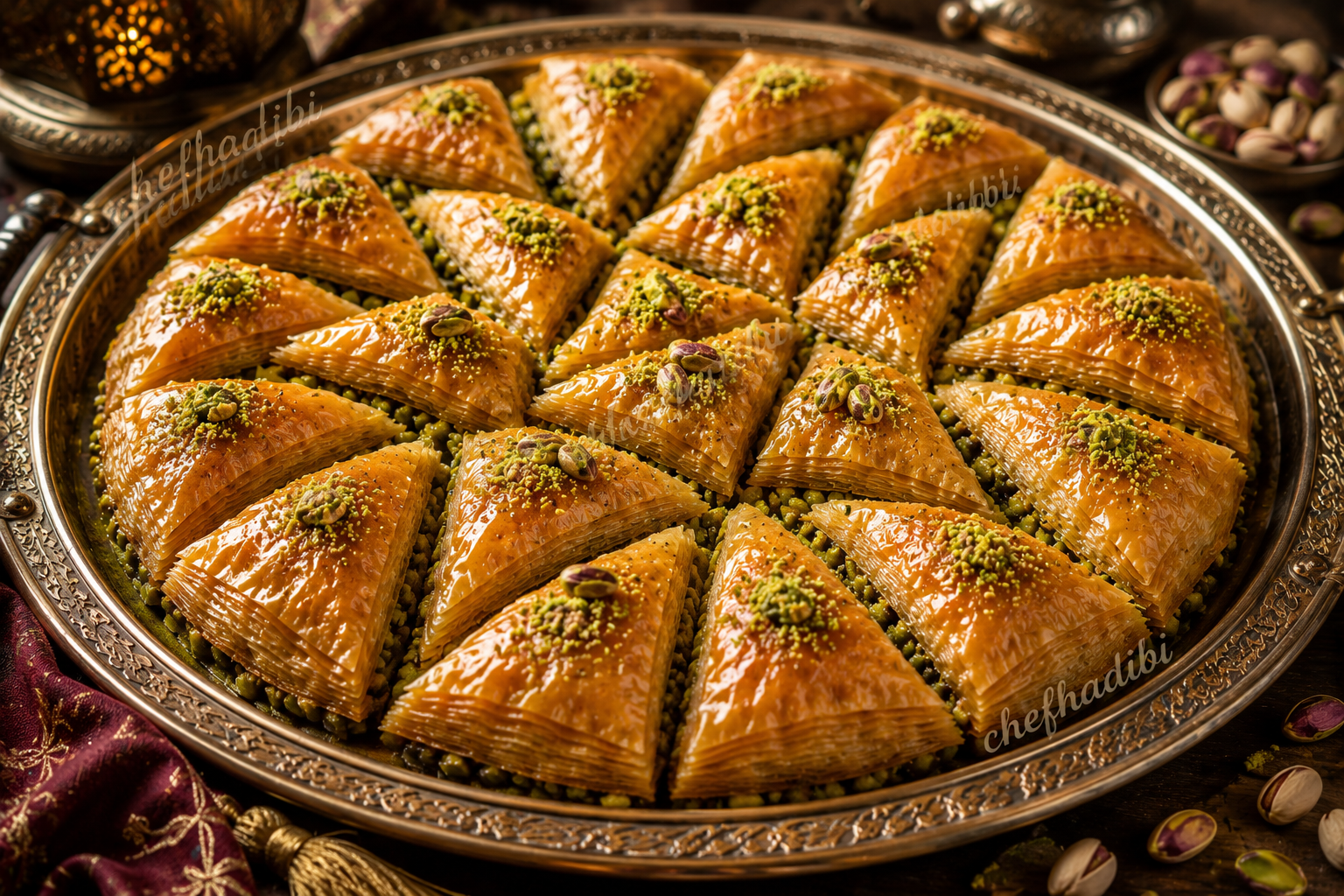
Discover the authentic taste of Baklava, a traditional pastry made with delicate layers of crispy phyllo dough, generously filled with almonds and pistachios. Infused with...